Born to Be a King
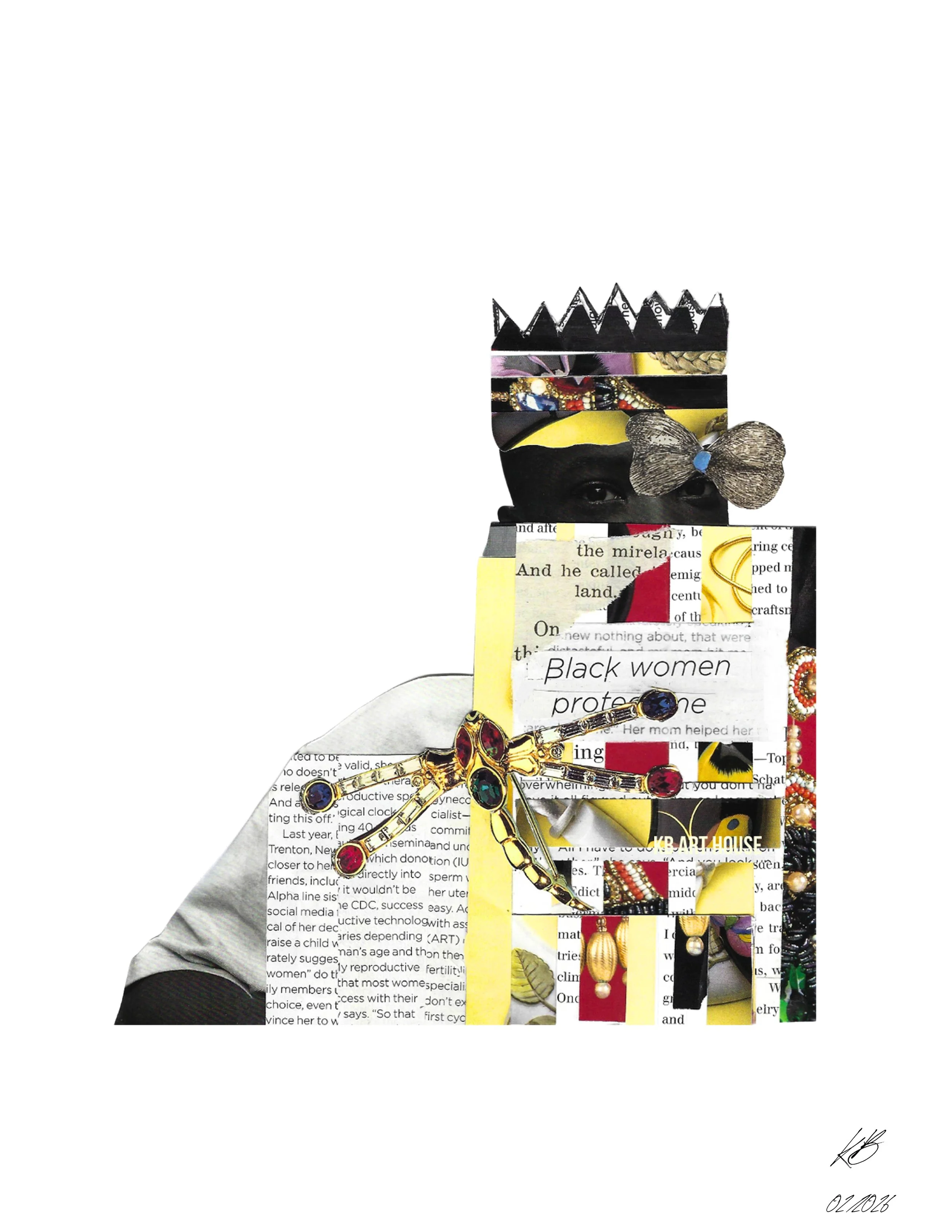
At a young age, Black children are often expected to behave a certain way. Before we even do anything wrong, our actions can already be read as trouble. A look, a tone, a moment of curiosity, sometimes it’s all interpreted through a lens that assumes the worst.
That experience can create a kind of awareness early on. A hyper-vigilance. Learning how to move carefully through spaces, learning how to read a room, learning when to shrink yourself so that others feel comfortable.
And the truth is, that feeling doesn’t always disappear.
Even as adults, especially in professional environments, that same awareness can follow us. We still sometimes feel the need to measure our tone, our posture, our presence, constantly aware of how we might be perceived.
But when I think back to my childhood, I think about the environments that shaped me. Some spaces were difficult to navigate. Some were confusing. But home was different.
Home was where the expectations felt simpler. Where I could exist without being watched through someone else’s assumptions.
And when I think about who protected that space for me, it was almost always a Black woman.
A mother. A grandmother. An aunt. A teacher. A woman in the community.
Black women have long carried the responsibility of protecting Black boys while the world tries to grow them up too quickly. Even when society adultifies Black children, Black women are often the ones reminding them that they are still worthy of softness, guidance, and belief.
They speak life into their sons.
They remind them who they are before the world tells them who they should be.
And maybe that’s why this piece is called Born to Be a King.
Because even in a world that sometimes tries to diminish Black boys early, there are still voices, often Black women, planting something different.
A reminder that they were never born to be feared.
They were born to lead.
Born to stand tall.
Born to be a king.